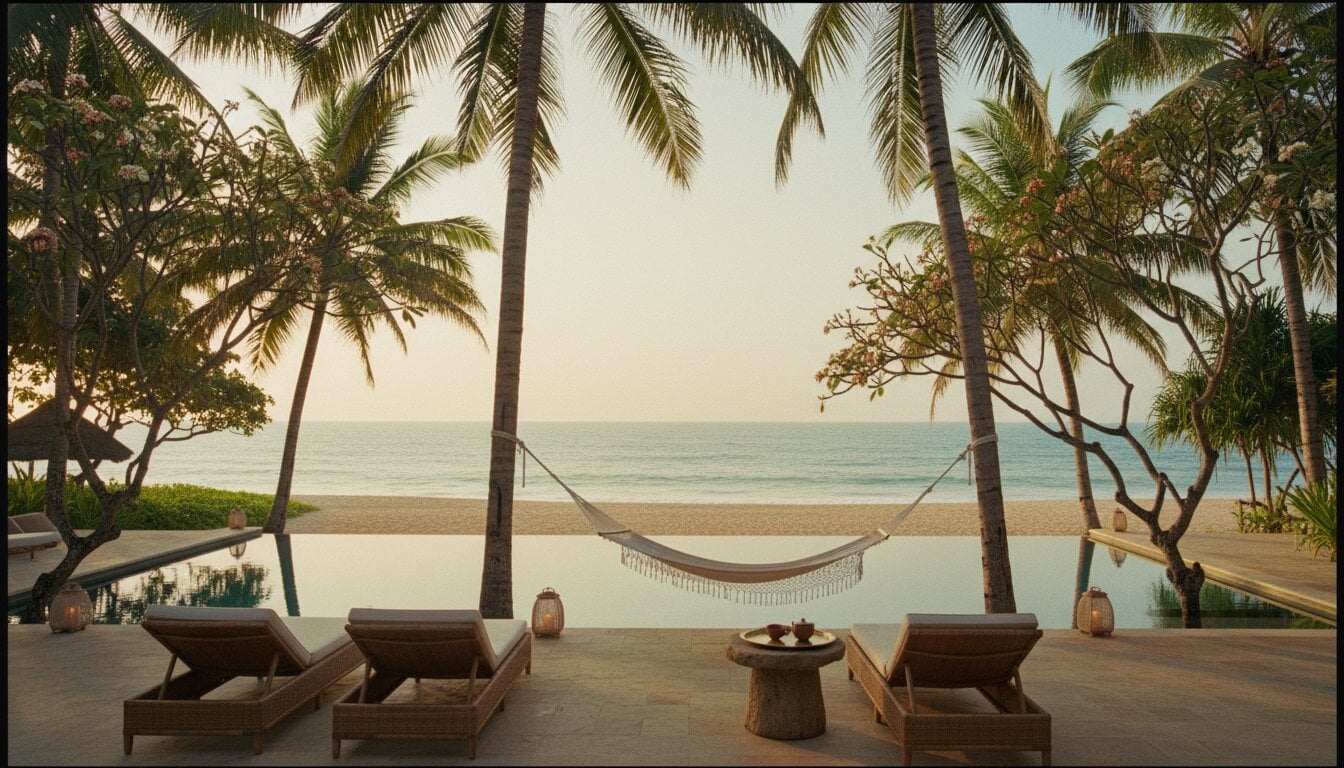
Pigeon Island lies roughly a kilometre off Nilaveli Beach on Sri Lanka's northeastern coast, a short boat ride from Trincomalee. It is one of only two marine national parks in the country, declared protected in 2003, and it holds some of the most accessible coral reef snorkeling in South Asia. Two small islands make up the park: the larger Pigeon Island and a smaller rocky outcrop nearby. Both are uninhabited, and day visitors are the only human presence.
Why is Pigeon Island called Pigeon Island?
The name comes from the rock pigeons — specifically the blue rock pigeon (Columba livia) — that have nested on the island's rocky outcrops for centuries. Colonial-era navigators and traders noted the dense bird population, and the name carried through Portuguese and Dutch occupation into common usage. Birdwatching remains a minor but genuine draw alongside the marine activities, and the pigeons are still very much in residence.
What marine life can you see at Pigeon Island?
The reef system around Pigeon Island supports an unusually wide range of species for a relatively small area. Blacktip reef sharks patrol the sandy shallows and are frequently spotted by snorkelers — they are not aggressive and are one of the main reasons experienced snorkelers seek the site out. Green sea turtles rest on the coral and feed in the seagrass beds nearby. Hawksbill turtles are also recorded, though less commonly.
- Blacktip reef sharks (Carcharhinus melanopterus)
- Green and hawksbill sea turtles
- Parrotfish, surgeonfish, and butterflyfish
- Moray eels and lionfish in reef crevices
- Occasional octopus and reef squid
The coral cover was significantly bleached during historical warm-water events, but sections of the reef — particularly on the sheltered eastern side of the larger island — remain healthy and structurally complex. Hard corals including staghorn and brain coral dominate, with soft coral fans in deeper sections accessible to divers.
What activities are available at Pigeon Island?
Snorkeling is the central activity and the reason most visitors make the trip. Gear can be rented from boat operators on Nilaveli Beach, and the shallow lagoon on the main island's leeward side is calm enough for confident beginners. More advanced snorkelers head to the reef wall, where depth and fish density increase noticeably.
Scuba diving is permitted within the national park under regulated conditions. The dives are generally shallow — between five and fifteen metres — making the site suitable for open-water certified divers and well-managed discovery dives. Visibility varies by season but is typically clearest between May and September.
Beach time on the narrow strip of white sand is popular, though swimming areas are managed to avoid conflict with snorkelers. Birdwatching along the island's interior scrub rewards patient observers, particularly in the early morning before day-trip boats arrive in numbers.
When is the best time to visit Pigeon Island?
The northeastern coast of Sri Lanka follows the inter-monsoon and northeast monsoon patterns. The optimal window for visiting Pigeon Island runs from late April through to September, when the sea is calm, water visibility peaks at fifteen metres or more, and boat crossings are straightforward. July and August are the busiest months, with the highest visitor numbers coinciding with the northern-hemisphere summer holiday season.
From October through to January, the northeast monsoon brings rougher seas to this coastline and the park sometimes closes to visitors for safety. The park authorities and boat operators at Nilaveli will advise on conditions each morning — it is worth checking locally before committing to a trip.
| Period | Sea Conditions | Visibility | Visitor Numbers |
|---|---|---|---|
| May – September | Calm | High (10–15 m+) | Moderate to high |
| October – January | Rough (park may close) | Reduced | Low |
| February – April | Transitional | Variable | Low to moderate |
How do you get to Pigeon Island from Colombo or Trincomalee?
The standard access point is Nilaveli Beach, approximately 16 kilometres north of Trincomalee town. Boats depart from the Nilaveli jetty throughout the morning on days when sea conditions allow. The crossing takes around ten to fifteen minutes. Trincomalee itself is reachable by train from Colombo (around eight hours on the scenic route through the hill country), by intercity bus, or by private vehicle — a comfortable drive of roughly five hours depending on the route taken.
Lakpura offers direct transfers from Colombo Airport to the Trincomalee and Nilaveli area, removing the logistics of coordinating public transport with tidal windows and park opening times. For travellers combining the northeast coast with Wilpattu National Park to the west, a private vehicle makes the circuit considerably more practical.
What are the entry rules and conservation guidelines?
Pigeon Island National Park is administered by the Department of Wildlife Conservation. Foreign visitors pay a national park entry fee on top of the boat ticket. The fee structure is set by the government and should be confirmed with the park office or your operator at the time of visit, as it is reviewed periodically.
Conservation rules inside the park are enforced by park rangers who accompany visitor groups:
- Do not stand on or touch the coral — even a single contact damages polyps that may take years to recover.
- Do not feed the fish or the sharks.
- No fishing is permitted within the park boundary.
- Littering carries a fine; all waste must leave with the visitor.
- Sunscreen should be reef-safe (mineral-based); chemical UV filters are harmful to coral.
Daily visitor caps are enforced during peak season. Arriving early — ideally on the first boat of the day — gives the best chance of a quieter experience and the clearest water before boat traffic stirs sediment.
Is Pigeon Island suitable for non-swimmers and children?
The lagoon on the sheltered side of the main island is very shallow — in places less than a metre deep at low tide — and the sandy bottom is clearly visible. Non-swimmers and younger children can wade and observe reef fish without entering deeper water. Life jackets are available from boat operators and are recommended for anyone not confident in open water. The boat crossing itself is short and generally very calm during the dry season, making the trip accessible to most visitors.
What else is there to do near Pigeon Island and Trincomalee?
Trincomalee town is home to Koneswaram Temple, a Hindu kovil perched on Swami Rock above the bay — one of the most dramatically situated religious sites in Sri Lanka. Fort Frederick, built by the Portuguese and later expanded by the Dutch and British, stands at the same headland. The town's natural harbour is one of the finest deepwater anchorages in Asia and played a significant role in Second World War naval operations in the Indian Ocean theatre.
Nilaveli and the neighbouring Uppuveli beaches are long, uncrowded, and calm during the dry season — a marked contrast to the busier southern coast resorts. The deep sea fishing around Trincomalee is considered among the best in Sri Lanka, with yellowfin tuna and dorado targeted in the offshore waters.
For travellers with time to explore further, the ancient city of Polonnaruwa — a UNESCO World Heritage Site — lies roughly three hours southwest by road, making it a feasible extension for those already in the northeast.