Badulla sits at around 680 metres above sea level in the Uva Province of Sri Lanka, cradled almost entirely by the Badulu Oya river and flanked by the Namunukula mountain range, whose highest peak reaches just over 2,000 metres. The town commands a landscape defined by rolling tea estates, cool highland air, and a patchwork of paddy fields wherever the terrain flattens enough. It is the administrative capital of Badulla District and one of the oldest continuously inhabited settlements in the Sri Lankan highlands.
What is the history of Badulla?
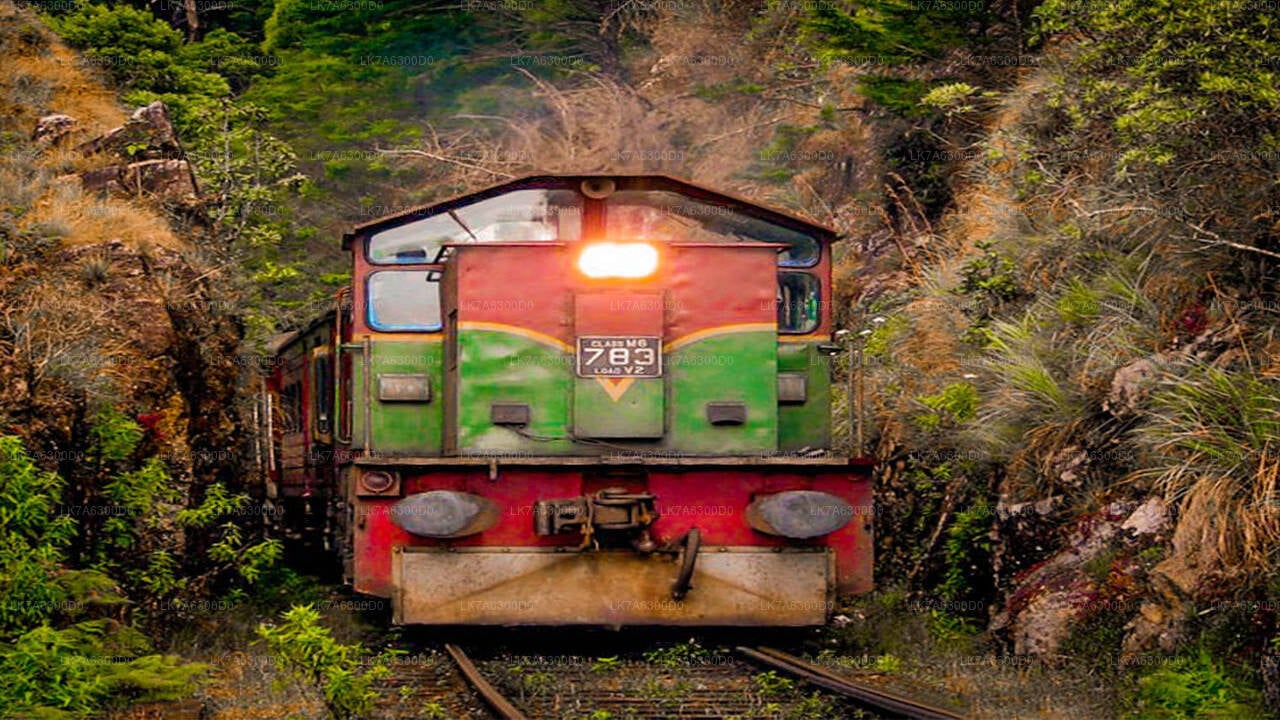
Long before British administrators arrived, Badulla was the seat of a regional Sinhalese chieftain who governed the area under the authority of the Kandyan king. The town's strategic position on the eastern edge of the central highlands made it a natural administrative hub, and that role only deepened under colonial rule. When the British developed the upcountry railway in the late nineteenth and early twentieth centuries, Badulla became the terminus of the main hill-country line — the endpoint of a route engineered primarily to move tea from the highlands to Colombo's port.
Several older structures in the town reflect this layered past. The Kataragama Devale and the Muthiyangana Raja Maha Viharaya are among the most visited religious sites, the latter believed to date back more than two millennia and associated with a visit by the Buddha.
What is Uva tea, and why is Badulla at its centre?
Ceylon tea from the Uva region occupies a singular position in the global tea trade. Uva is recognised as one of the world's great "champagne tea" districts — a term used to describe teas that develop a distinctive flavour profile only in their peak quality season. This character arises from the dry, gusty winds that sweep across the eastern slopes of the central highlands between July and September, drawing down the moisture content of the leaf and concentrating aromatic compounds. Factories across the district produce a wide range of whole-leaf and broken-leaf orthodox grades, as well as CTC varieties.
Badulla itself is surrounded by working estates, and the town's economy has historically revolved around plantation agriculture. Visitors with an interest in the industry can often arrange estate visits through their accommodation or a local guide, gaining access to plucking fields, withering lofts, and rolling machinery that in some cases dates back generations.
What are the main things to see near Badulla?
The area around Badulla rewards exploration beyond the town centre. Key attractions include:
- Dunhinda Falls — one of Sri Lanka's widest waterfalls, located about 6 km from the town centre along a well-marked trail through secondary forest. The approach path offers views across the Badulu Oya gorge.
- Bogoda Wooden Bridge — believed to be the oldest surviving wooden bridge in Sri Lanka, set within a forested landscape near an ancient rock temple of the same name.
- Namunukula Range — a compact mountain massif popular with experienced hikers. The trails through tea estates and cloud forest are best attempted with a local guide.
- Ella — around 20 km southwest of Badulla, Ella has become one of Sri Lanka's most popular hill-country stops, known for Nine Arch Bridge, Little Adam's Peak, and a thriving café scene.
- Horton Plains — roughly two hours by road, Horton Plains National Park offers plateau walks to World's End, a near-vertical escarpment with views stretching toward the southern coast on clear mornings.
How do I get to Badulla from Colombo?
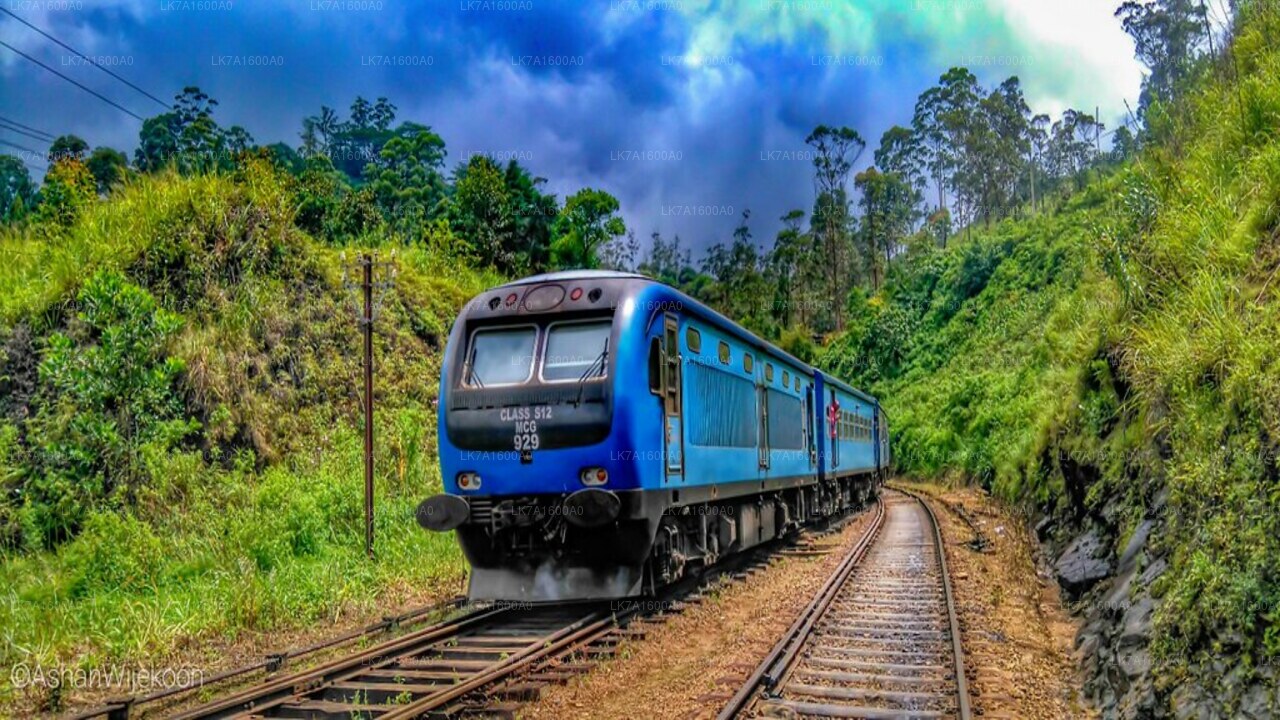
The train journey from Colombo to Badulla is widely regarded as one of the finest rail routes in Asia. Named services such as the Podi Menike and Udarata Menike depart from Colombo Fort station and wind through Kandy, Nanuoya, and Ella before terminating at Badulla — a journey of roughly nine to ten hours depending on the service. The segment between Nanuoya and Badulla passes through some of the most scenic highland terrain on the island, including viaducts, tunnels, and the approach to Ella Gap.
Observation cars with panoramic windows are available on some named trains and should be booked in advance. Lakpura can arrange reserved tickets for the full route or for individual legs such as Kandy to Badulla.
By road, Badulla is connected to Colombo via the A5 highway through Kandy, a drive of around five to six hours under normal traffic conditions. The road from Ella to Badulla passes through spectacular highland scenery and takes under an hour.
When is the best time to visit Badulla?
Badulla's highland climate means temperatures rarely exceed 25°C, and nights can be cool year-round. The town receives rain from both the northeast and southwest monsoons, with the heaviest falls typically between October and January. For the clearest skies and most comfortable conditions, the months from February to April and again from July to September tend to be most reliable — the latter period also coincides with the peak Uva tea quality season.
If you plan to hike in the Namunukula range or take early-morning walks near Dunhinda Falls, light layers are advisable even in the dry season. Mornings can be misty well into the day during the inter-monsoon periods.
What local produce and food is Badulla known for?
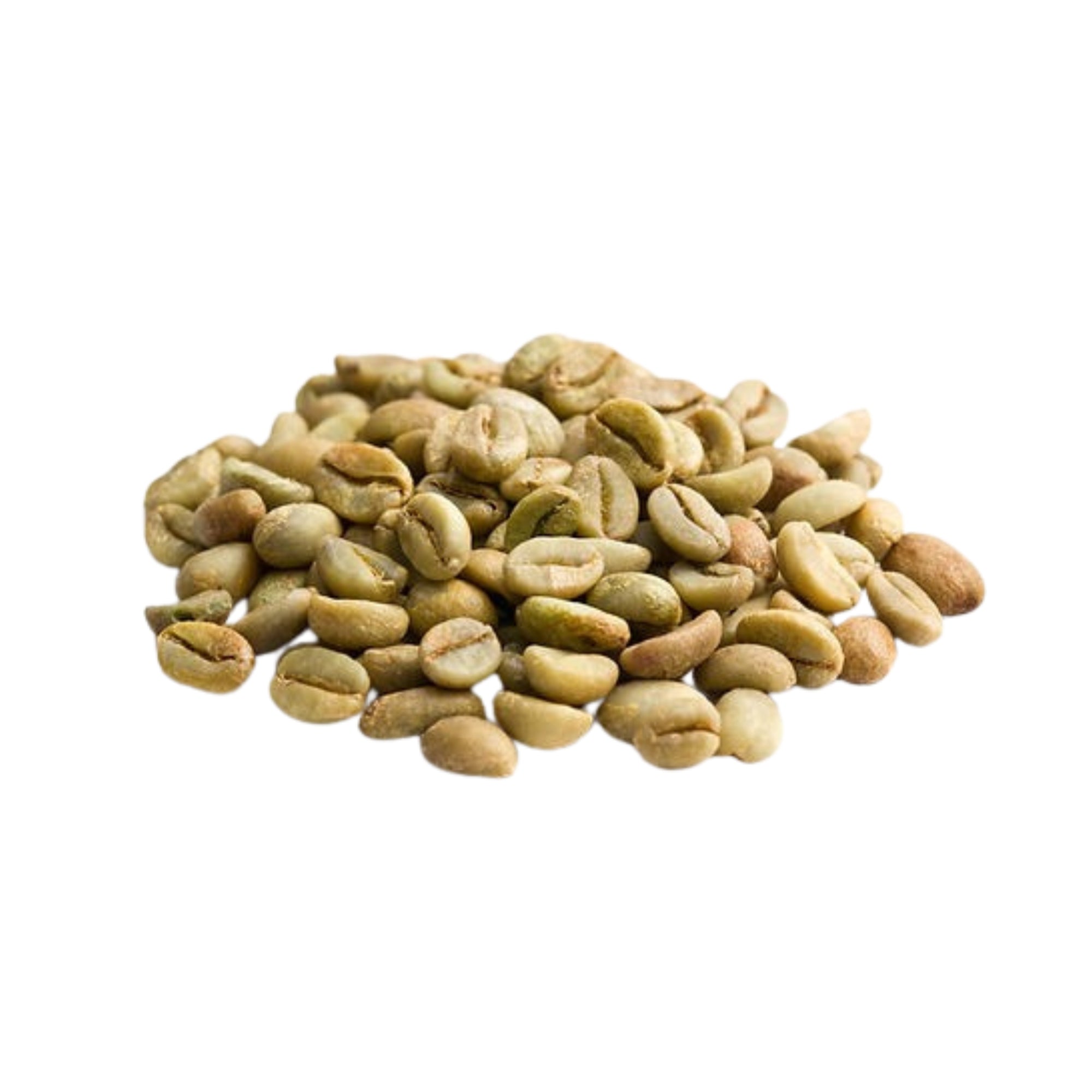
Beyond tea, Badulla district produces a range of highland agricultural goods including vegetables, spices, and coffee. The Uva highlands are one of the few areas in Sri Lanka where Arabica-influenced coffee cultivars grow at altitude, producing beans with a distinctly different character from the lower-elevation Robusta varieties found elsewhere on the island. Markets in and around Badulla town carry seasonal highland vegetables rarely seen in coastal Sri Lanka.
Local meals tend to centre on rice and curry, with lentil-based dishes, green-leaf preparations, and accompanying sambols that reflect Uva's inland agricultural traditions rather than coastal cuisine.
Is Badulla suitable as a base for exploring the Uva highlands?
Yes — Badulla works well as a quieter alternative to Ella for travellers who want access to the same highland scenery without the busier tourist infrastructure. Accommodation ranges from modest guesthouses to mid-range hotels, and the town has good connections by both road and rail. From Badulla it is practical to day-trip to Ella, the Bogoda area, Dunhinda Falls, and the lower edges of the Namunukula range, while longer excursions can reach Horton Plains or the Elephant Transit Home near Udawalawe.
The Elephant Transit Home at Udawalawe, operated by the Department of Wildlife Conservation, is around two hours from Badulla by road and offers a chance to observe orphaned elephants at feeding time — one of the more rewarding wildlife experiences in southern Sri Lanka.